
Sensory Bin Ideas for a Preschool Fall Theme Curriculum

Sensory Bin Ideas for a Preschool Fall Theme Curriculum

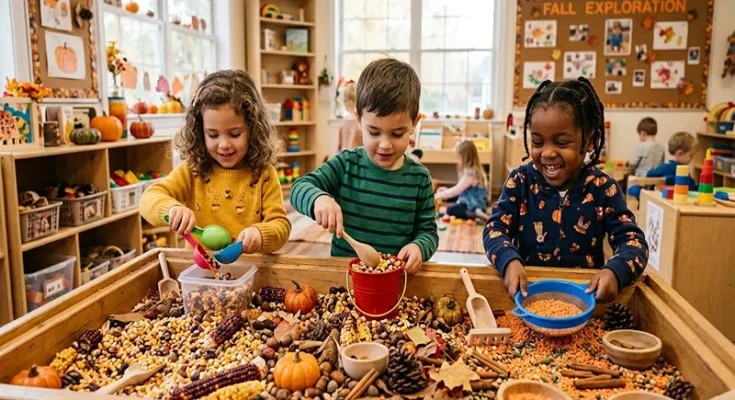
Autumn is perhaps the most sensory-rich season of the year. From the crunch of dry leaves underfoot to the smooth, cool skin of a pumpkin and the fragrant scent of cinnamon, fall provides a natural, vibrant backdrop for early childhood learning. For educators and parents, sensory bins are the perfect vehicle to bring this seasonal magic into the classroom or home.

When you incorporate sensory bins into your fall curriculum, you are doing far more than just providing “busy work.” You are facilitating critical development in fine motor control, building a sophisticated seasonal vocabulary, and fostering early mathematical skills like sorting, counting, and measurement.

The Science of Fall Sensory Play

Sensory bins offer a “low-stakes” environment where preschoolers can explore the properties of materials through touch, sight, and sound. Developmentally, these bins serve three primary pillars of early learning:

  • Sensory Integration: Children learn to regulate their responses to different textures—the
Sensory Bin Ideas for a Preschool Fall Theme Curriculum Read More
Hands-On Alphabet Matching Preschool Activities for Beginners

Hands-On Alphabet Matching Preschool Activities for Beginners

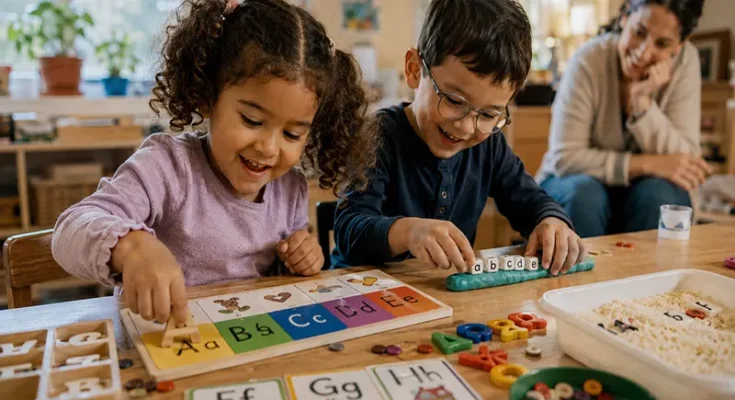
For many parents, the pressure to “prepare” a child for school often translates into a stack of boring worksheets and rote flashcard drills. However, if you talk to any early childhood development expert, they will tell you the same thing: preschoolers do not learn through passive observation; they learn through their hands, their senses, and their whole bodies.

Alphabet matching is a fundamental developmental milestone. It is the bridge between seeing a squiggle on a page and understanding that the shape holds a specific sound and identity. By turning this process into a hands-on, playful experience, you transform a chore into a core memory, building confidence rather than frustration.

The Developmental “Why”

Why do we choose matching over memorization? Because matching engages visual discrimination—the ability to notice the subtle differences between shapes (like the difference between a ‘b’ and a ‘d’).

When a child physically manipulates a letter, they …

Hands-On Alphabet Matching Preschool Activities for Beginners Read More
Indoor Gross Motor Games for Preschoolers on Rainy Days

Indoor Gross Motor Games for Preschoolers on Rainy Days

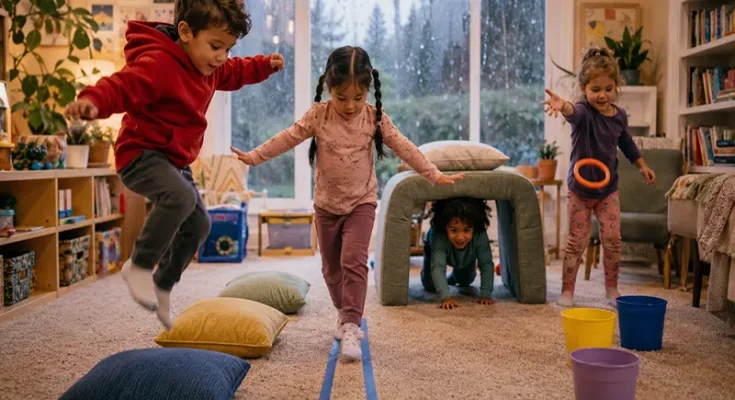
We have all been there: the rain has been pouring for hours, the walls feel like they are closing in, and your preschooler has an abundance of pent-up energy that needs an outlet—fast. While the temptation to hand over a tablet is strong, those high-energy “cabin fever” moments are actually golden opportunities to support your child’s physical and emotional development.

Gross motor skills—movements involving the large muscles in the arms, legs, and torso—are the foundation of physical literacy. On rainy days, you can transform your living room into a movement laboratory that burns off energy while building essential skills like balance, coordination, and proprioceptive awareness.

Why “Heavy Work” Calms the Chaos

When a child is bouncing off the walls, it is often a sign that their nervous system is craving proprioceptive input. Proprioception, often called our “sixth sense,” provides the brain with information about where our body is in …

Indoor Gross Motor Games for Preschoolers on Rainy Days Read More
Easy Fine Motor Preschool Activities with Household Items

Easy Fine Motor Preschool Activities with Household Items

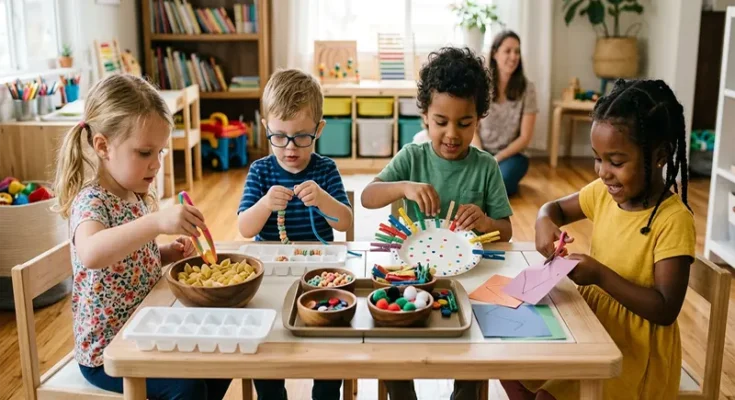
Developing fine motor skills—the coordination of small muscle movements in the hands, wrists, and fingers—is a foundational milestone for preschoolers. These skills are the invisible architects of future success, essential for everything from buttoning a shirt and using a spoon to eventually gripping a pencil for writing.

The best news for busy parents? You don’t need expensive educational kits or specialized sensory toys to support this development. Your own home is a goldmine of tools that can turn an ordinary afternoon into a powerhouse of skill-building play. By engaging in these simple activities, your child isn’t just “playing”; they are building the neural pathways and muscle strength necessary for lifelong independence.

Why Fine Motor Play Matters

At ages 3 to 5, children are transitioning from using their whole hand to grasp objects to using precise, refined movements. Key developmental goals include:

  • Pincer Grasp: Using the thumb and index finger to
Easy Fine Motor Preschool Activities with Household Items Read More
10 Signs Your Toddler Is Ready for a More Structured Learning Environment

10 Signs Your Toddler Is Ready for a More Structured Learning Environment

Deciding when your little one is ready to step into a more organised setting can feel daunting. Yet recognising genuine readiness ensures a smooth transition for both child and family. Below are ten clear signals that your toddler may benefit from set routines, guided activities and interaction with peers.

1. Follows Simple Instructions

When your toddler responds to directions like “put the toy back” right away, it shows they can listen in a group setting. This ability helps them join circle time, follow instructions during snack moments and tidy-up activities with ease, easing day-to-day routines.

2. Shows Genuine Curiosity

Children who ask “what’s that?” persist in exploring new materials during playtime. They might flip through picture books, investigate sensory bins or ask about colours, textures and shapes. They then revisit favourite activities on their own, showing genuine curiosity and a developing love of discovery.

3. Maintains Focused Play

Spending five …

10 Signs Your Toddler Is Ready for a More Structured Learning Environment Read More